Why Does a Smartwatch that was Dead for 10 Years Still Have the Best Software Ecosystem?
I love smartwatches. In fact I’ve loved wrist worn tech since I was a little kid. I’ve owned more than a dozen Apple Watches, several Android Wear based watches, a variety of fitness-focused devices, and of course several Pebble watches. I’m well versed in all of the major wearable platforms, but it’s no secret that I’ve been frustrated by the lack of software for the biggest smartwatch platforms in the world: watchOS and wearOS. “There’s an app for that” applied to the original Apple Watch for a few years before the platform’s app focus teetered off. Android Wear never earned a vibrant software ecosystem, though it has a fairly robust sub community on Facer. Pebble though had an incredibly vibrant ecosystem back in the day. That’s why I was so excited that Eric Migicovsky announced that he was reviving the then defunct smartwatch platform. And that brings me to what I wanted to talk about, why does a small smartwatch platform from 14 years ago, that went on hiatus for nearly a decade, still have the most robust app ecosystem?
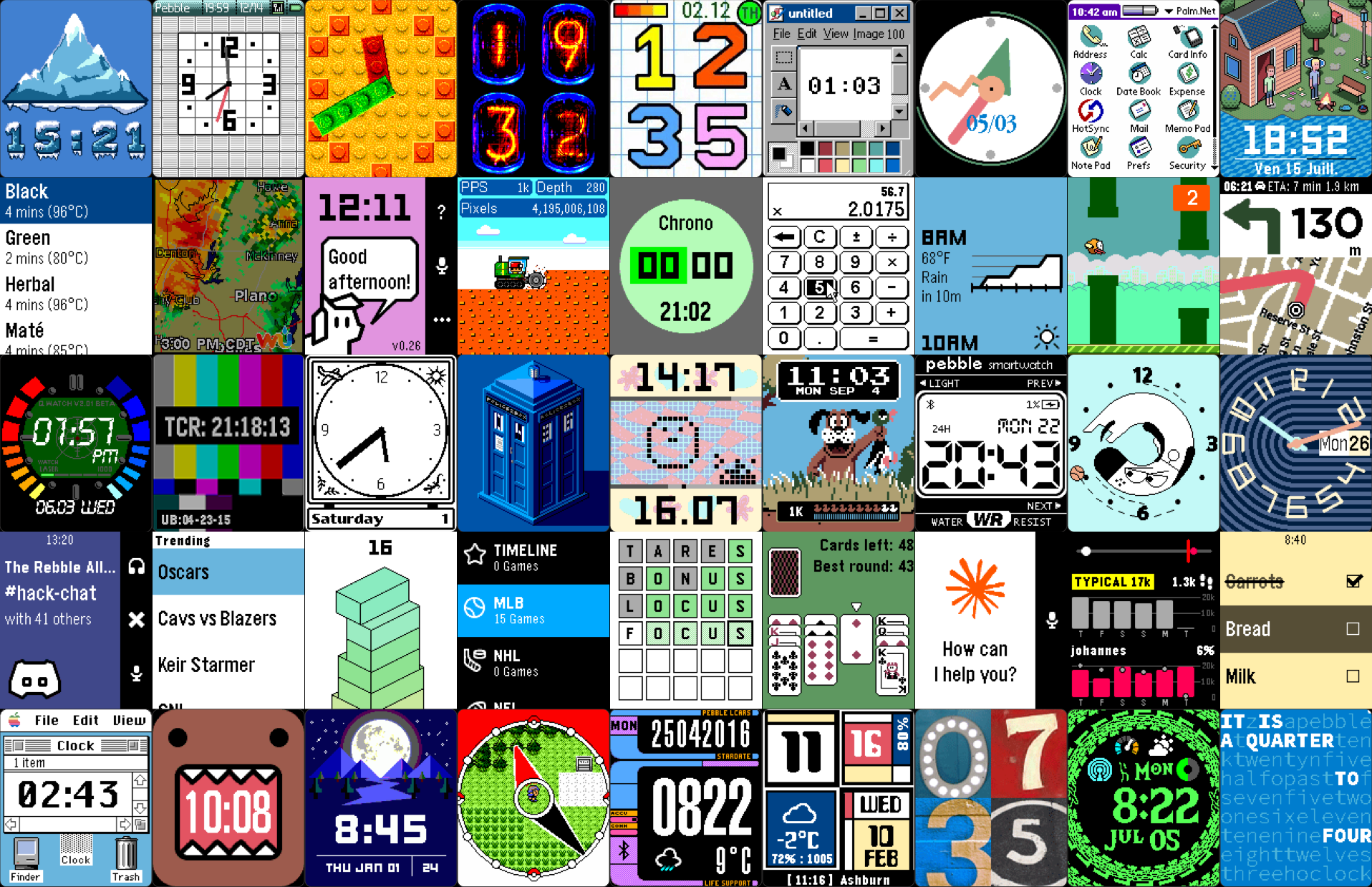
All you have to do is spend a couple of minutes browsing the Pebble app store on the web to see that Pebble OS watches have a larger share of good software than any other platform. There are about 15,000 apps and watch faces available for the Pebble. And that’s just what’s available on the official Pebble store, not counting external sources. Discovery is far better for Pebble OS too, particularly because Pebble and Rebble both operate separate storefronts with different curation. Finding great stuff is super easy. Apple and Google have both largely buried their watch app stores and just a quick browse will show you there’s not much to be desired on either even if they have a lot.
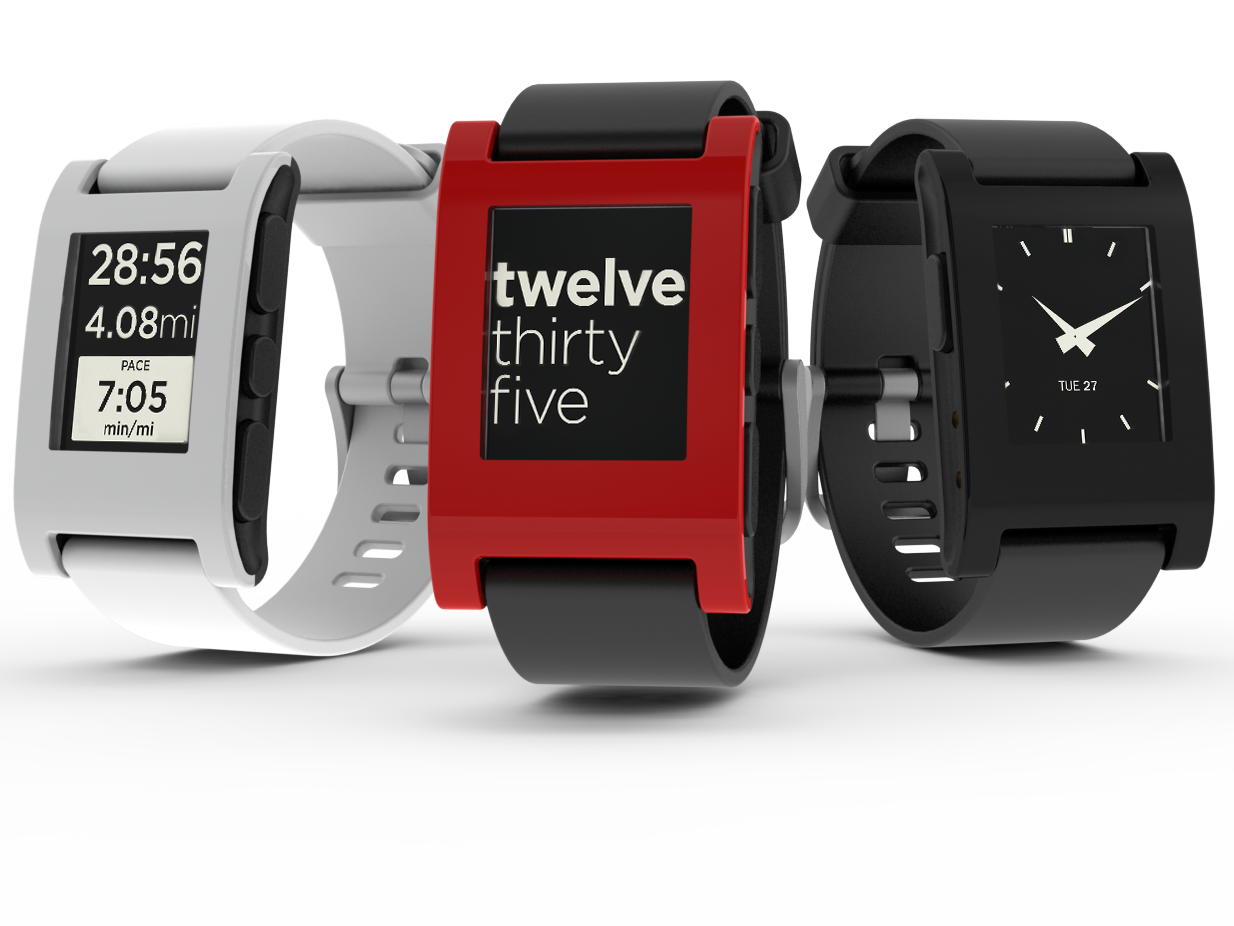
It’s not just about quantity though, it’s about quality. Apple Watch and Android watches both have a very small subset of genuinely good, high quality apps. Most of what’s available on the App Store and Google Play is junk. The beauty of the Pebble is that there’s very little junk on their store, both when it comes to watch faces and apps. There’s pretty much something for every use case. The simpler UI of Pebble has also led developers to be more intentional in their designs. Every app is lightweight, easy to use, and often fun. Apps get real care, because they’re not required to adhere to the strict guidelines enforced by Apple or the unpredictability of Android watches.
Perhaps the most damning conclusion that you can draw between the the incumbent platforms and Pebble is that apps written for pebble OS over a decade ago still “just work.” The Apple Watch has fewer good apps today than it did when it launched. We’ve lost Twitter, Uber, eBay, Slack, Amazon, Whole Foods, Evernote, Target, Trello, Instagram, among others. The promise of a wearable software platform completely fell through. One could argue that people don’t want apps on their wrist as much as they just want notifications and health tracking, I think there’s some truth to that but only because of the current landscape. The options are limited, so of course there’s little interest. Apple spent years fixing third party apps on the watch, they work great now. But they’re difficult to develop, a pain to maintain, and watchOS is designed in a way that makes building creative brand-first apps fairly impossible. Android is almost the opposite, apps are all over the place with almost no consistency. Pebble’s restrictive hardware design made apps follow similar conventions but doing the actual development was far simpler. Designs were playful, colorful, easy to digest, and consistent while still feeling different. The difference is also that apps designed for Pebble are generally for quick interactions, whereas the first Apple Watch and Android Wear apps really tried to put your phone on your wrist. Developers for Apple Watch and Android Wear took the wrong lessons from their first experiences in my view.
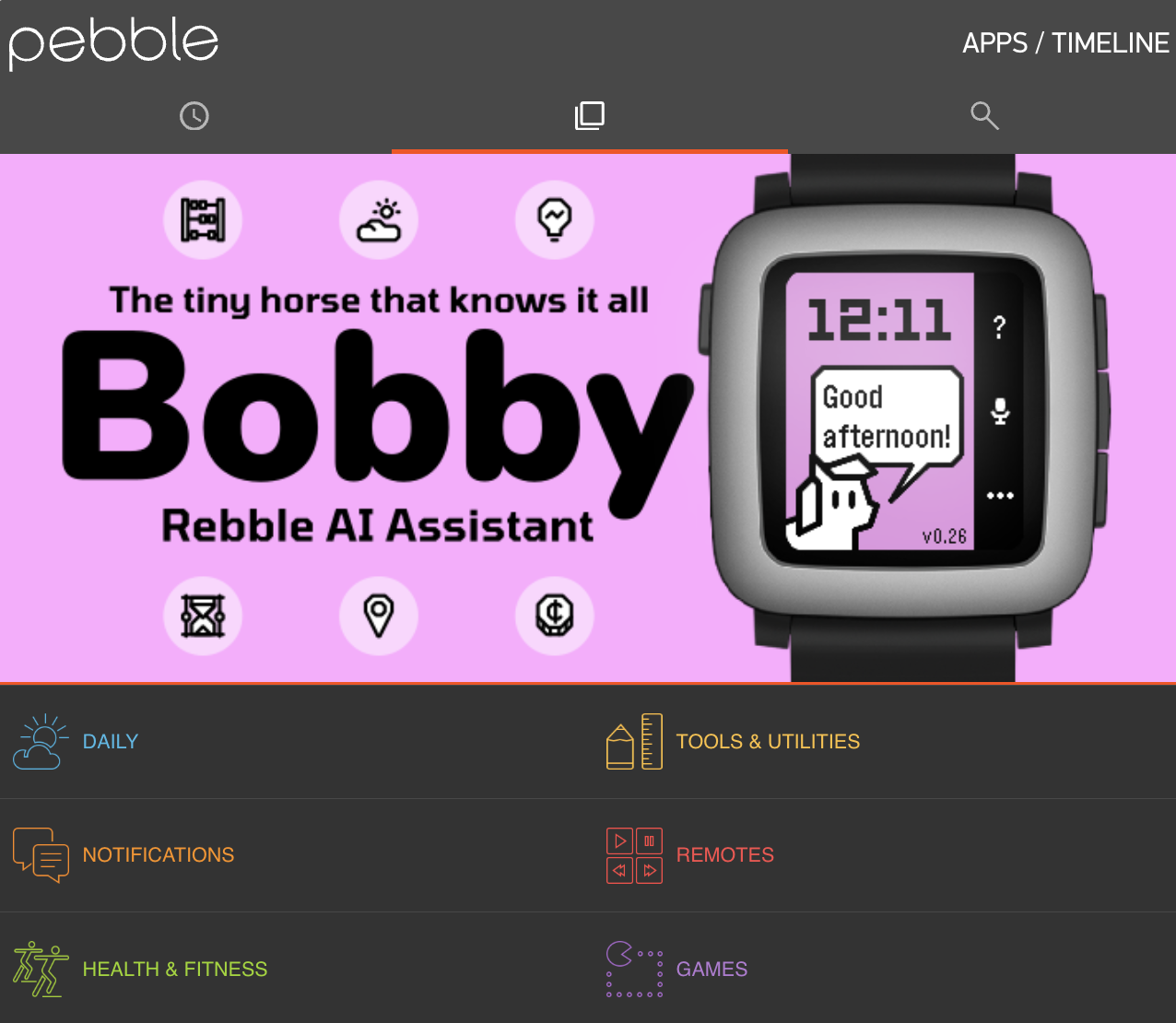
Take an app like Misfit for example, the company has long been out of business but their fitness tracking app for Pebble is still available and more importantly still fully functional. Part of the beauty of this situation is that the platform has always had a strong community of nerds that have kept it alive, even while Pebble was defunct. It’s rare for a product like this to come roaring back, which makes their work even more important. I have confidence that the platform will persist regardless of what Eric does, especially given it’s now open source. It’s a timeless platform to develop for, while Apple Watch and Android are all about the now. The fact that I can run Misfit from 2014 for my step tracking alongside Bobby an AI voice assistant in 2025 is generally unheard of in the tech space now. Watches are supposed to be inherently timeless, Pebble is the only smartwatch that is. Not just when it comes to faces, but as I’ve laid out, apps too. I loathe how Apple Watches not only lose their value almost instantly, but fail to be supported in any way after a couple of years. I get that’s how phones work, but watches? You can still use a first generation Kickstarter Pebble from 2012 in 2026 with new software and faces. Your first generation Apple Watch or Moto 360? They’re stuck on old operating systems, get no new apps or faces, and hold almost zero resale value.
Pebble’s timelessness has been what’s sustained it. It’s why it has so many delightful watch faces, so many great apps, and a highly active online community. The combination of freedom, ease of development, and timelessness is what should make a good smartwatch. Both Google and Apple have taken a different approach, acting more like luxury watch companies that gate keep much of the fundamentals. That may be highly profitable at scale, but that doesn’t mean it’s the way it should be. The fact that an Apple Watch or Pixel Watch are best out of the box with their built-in software may make them simple for the average user, but I don’t buy the argument that people don’t want to do more with their watches. They’re meant to be expressive, they could be made more YOU if Apple and Google did the work to let that happen. Everyone wearing the same watches with the same faces with the same apps feels too 1984 to me. The freedom of the Pebble platform has let a world of watch faces flourish.
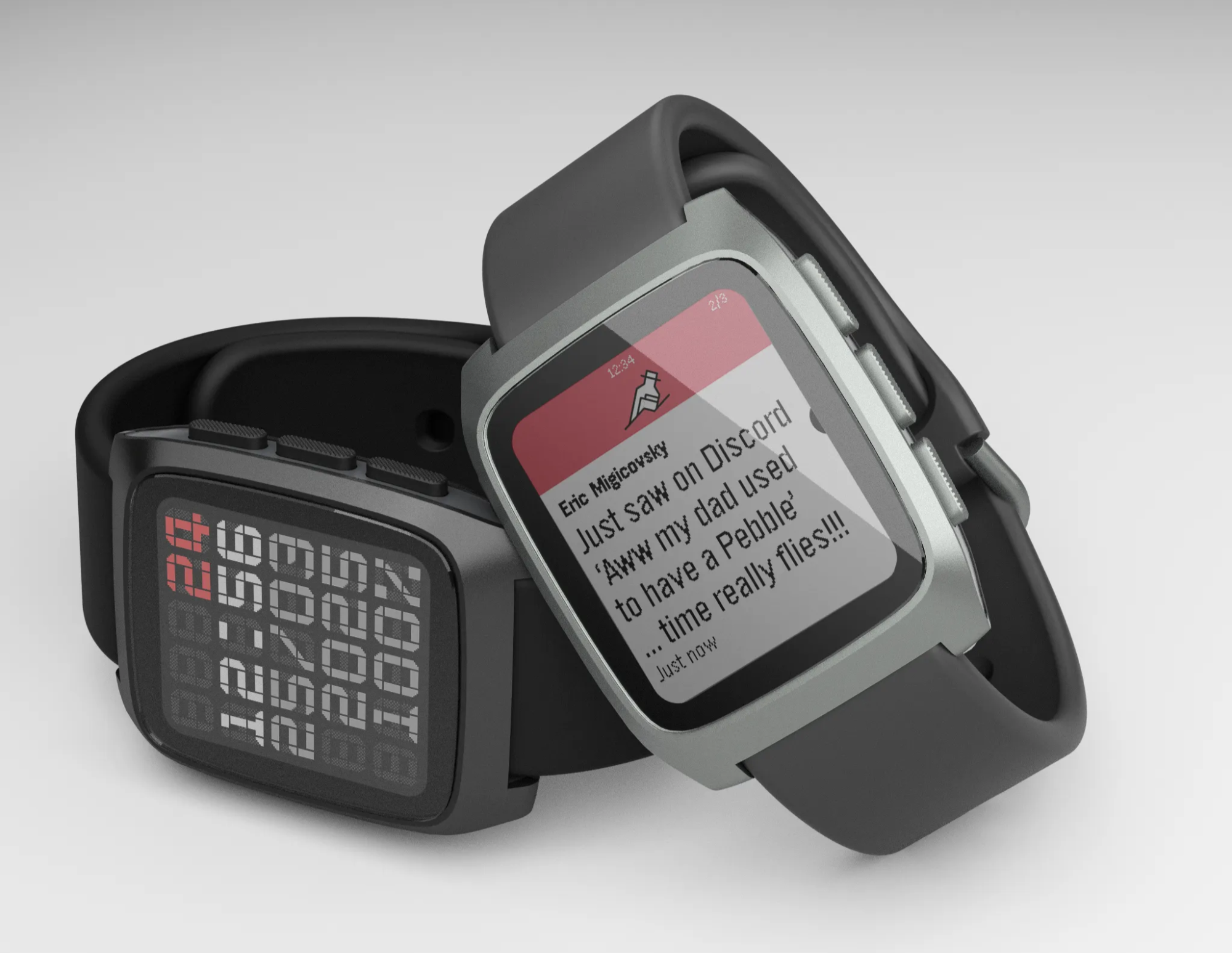
I’m excited that Pebble is back and firing on all cylinders again. The original company failed because the incumbents made it difficult to compete with platform restrictions and the added competition drove them to lose focus. There is clearly now an appetite for a boutique smart watch platform after a decade of the same things over and over from Apple, Google, and Samsung. With the advent of AI, there’s also an opening for new Pebble devices like the Index ring for saving your thoughts. Pebble wearables clearly have a bright future. I’ve ordered both the Index ring and the new Pebble Round. I can’t wait to get them later this year. But I am so antsy to jump back on the Pebble train that I’ve ordered a new in-box Pebble Time. Everyone I know who has the new Pebble 2 Duo loves it and that’s all the indication I need.